Pure water, trusted quality

Key Benefits of Reverse Osmosis Water Treatment
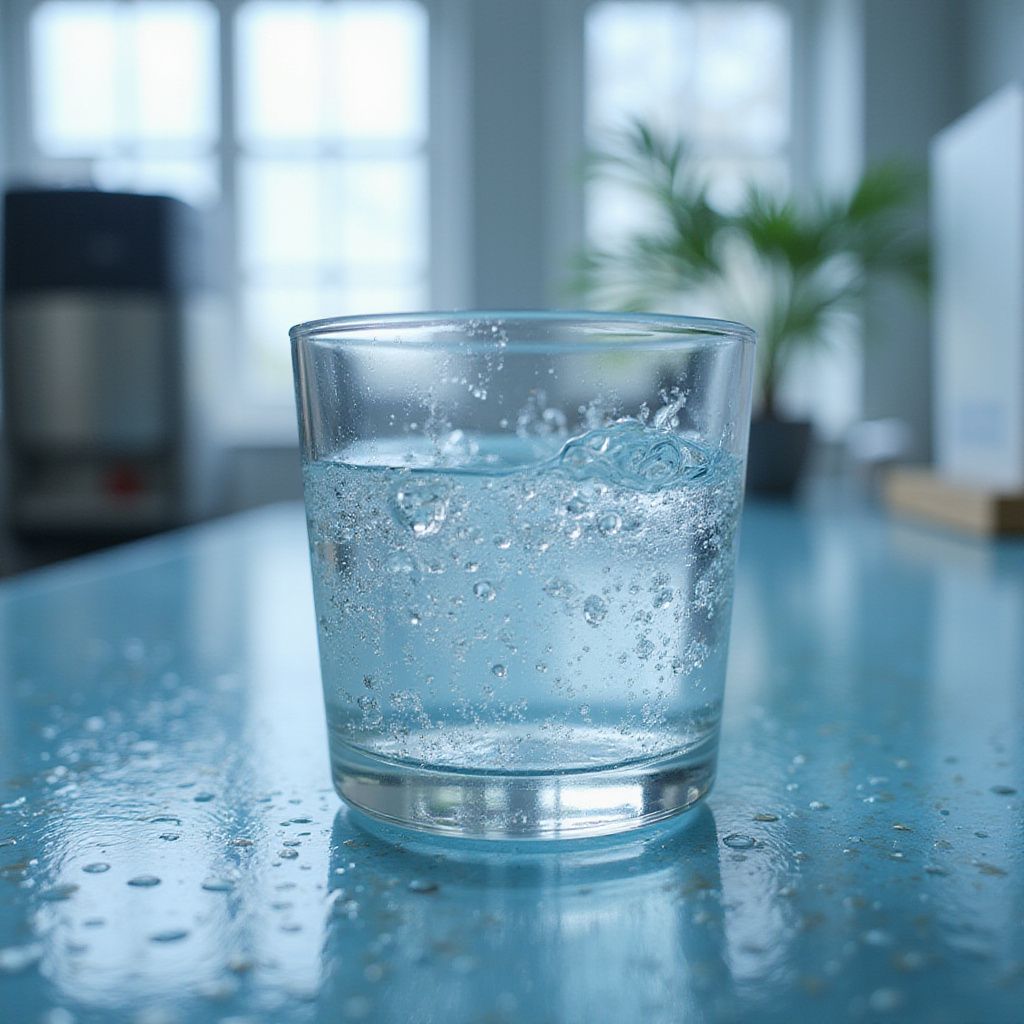
Enhanced Safety

Reverse osmosis removes contaminants like lead, chlorine, and bacteria, ensuring water is safe for families and businesses.
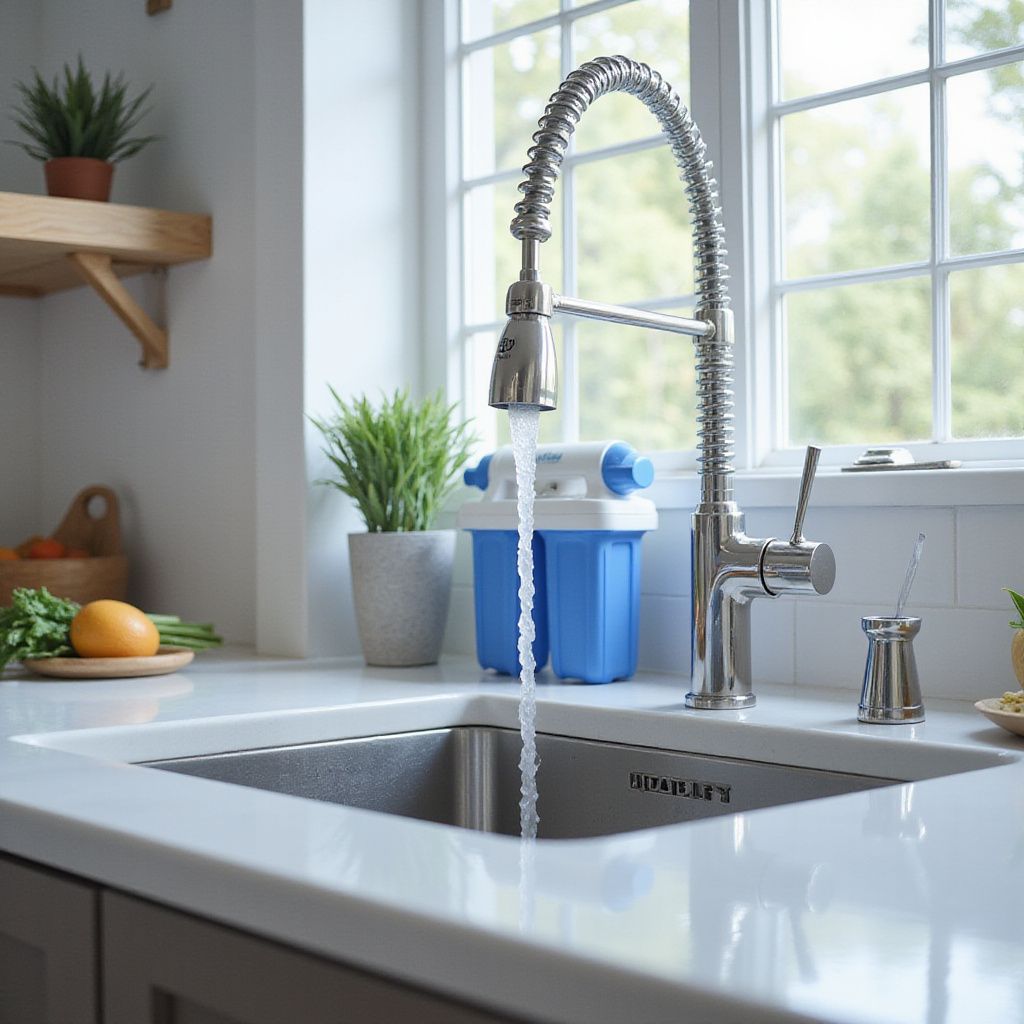
Improved Water Quality

This process reduces impurities and softens hard water, delivering fresher taste and protecting appliances from mineral buildup.

Reverse Osmosis FAQs

Get clear answers to common questions about reverse osmosis and water treatment to help you understand how these systems improve water quality and safety.

How does reverse osmosis purify water?

Reverse osmosis uses a semi-permeable membrane to remove contaminants, including dissolved salts, bacteria, and chemicals, producing clean and safe drinking water.

Is reverse osmosis safe for daily use in homes and businesses?

Yes, reverse osmosis systems provide reliable purification that meets safety standards, making water safe for consumption and use in both residential and commercial settings.

What maintenance is required for reverse osmosis systems?

Regular filter and membrane replacements are necessary to maintain system efficiency and water quality, typically recommended every 6 to 12 months depending on usage.

Can reverse osmosis remove hard water minerals?

Reverse osmosis reduces hardness by filtering out calcium and magnesium ions, helping to soften water and prevent scale buildup in pipes and appliances.

Why Choose Reverse Osmosis?

Reverse osmosis removes contaminants by forcing water through a semi-permeable membrane, ensuring cleaner, safer water. This process reduces impurities like chlorine, lead, and bacteria, improving taste and odor. It’s a reliable solution for families and businesses seeking consistent water quality and peace of mind.

Contact Us